
Can You Renegotiate a House Price After Roof Problems Are Found?
How written evidence can support careful conversations about roof defects and repair costs.
What to Do Next
If your homebuyer survey mentions renegotiate house price roof problems, the safest next step is to get clearer written roof evidence before exchange. A roof report can help you understand visible defects, access limitations, likely repair routes and estimated cost guidance where possible.
Useful next steps include reading the roof section of the survey carefully, sending the wording to Roof Reports, checking roof report pricing and looking at a sample roof report.
Jump to a Section
- Can roof defects be used in negotiation?
- Why written roof evidence matters
- What roof issues may support renegotiation
- How to discuss the report with your solicitor
- How to approach the estate agent
- Repairs before completion vs money off
- Why negotiation outcomes vary
- Example roof negotiation scenarios
Can roof defects be used in negotiation?
Roof defects can be raised in a house price negotiation when they were not clear at offer stage and your homebuyer survey has flagged them as a concern. This does not mean the seller must reduce the price, but it gives you a practical reason to ask for clearer roof evidence before exchange.
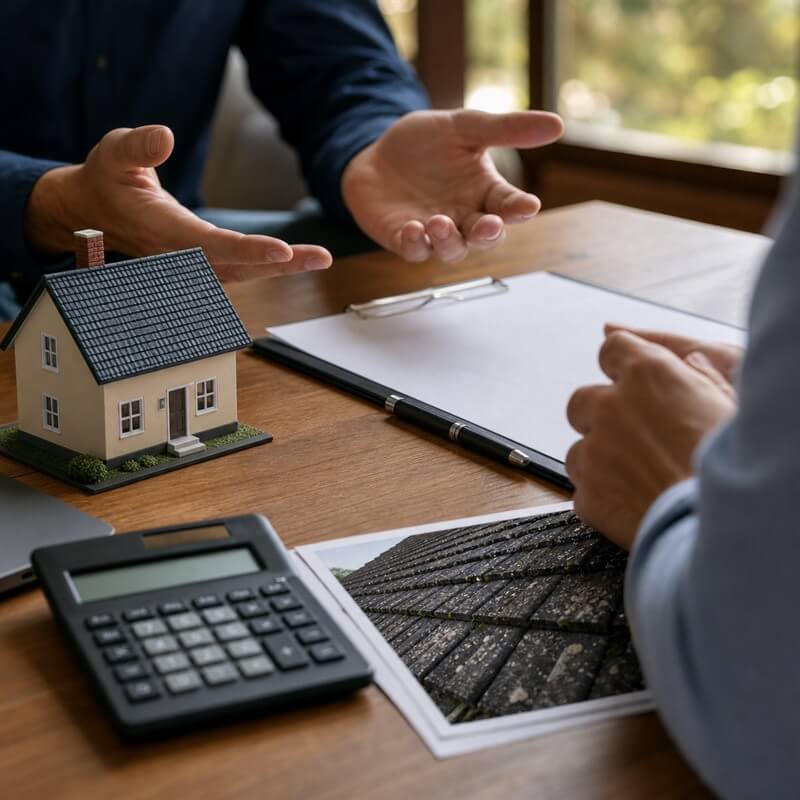
If you want to renegotiate a house price after roof problems are found, the discussion is usually strongest when it is based on written findings rather than a general worry that the roof looks old. A buyer roof report can help explain whether the issue appears to be minor repair work, more urgent roof repairs, a replacement risk or a point that needs further investigation.
For more context on this decision, see our guide to roof repair costs after a survey before you decide your next step.
Why written roof evidence matters
Estate agents, sellers and solicitors usually respond better to specific roof evidence: photos, visible defect notes, access limitations, likely repair routes and estimated roof repair cost guidance where possible. This is especially important where the survey uses cautious wording but does not explain what the roof problem might cost.
A written roof report can give the negotiation a clearer basis. It can show whether the concern is a slipped slate, missing tiles, failing ridge mortar, chimney stack defects, defective lead flashing, flat roof wear or a roof covering approaching the end of its economic life. That evidence can then be discussed with your solicitor before you decide what to ask for.
What roof issues may support renegotiation
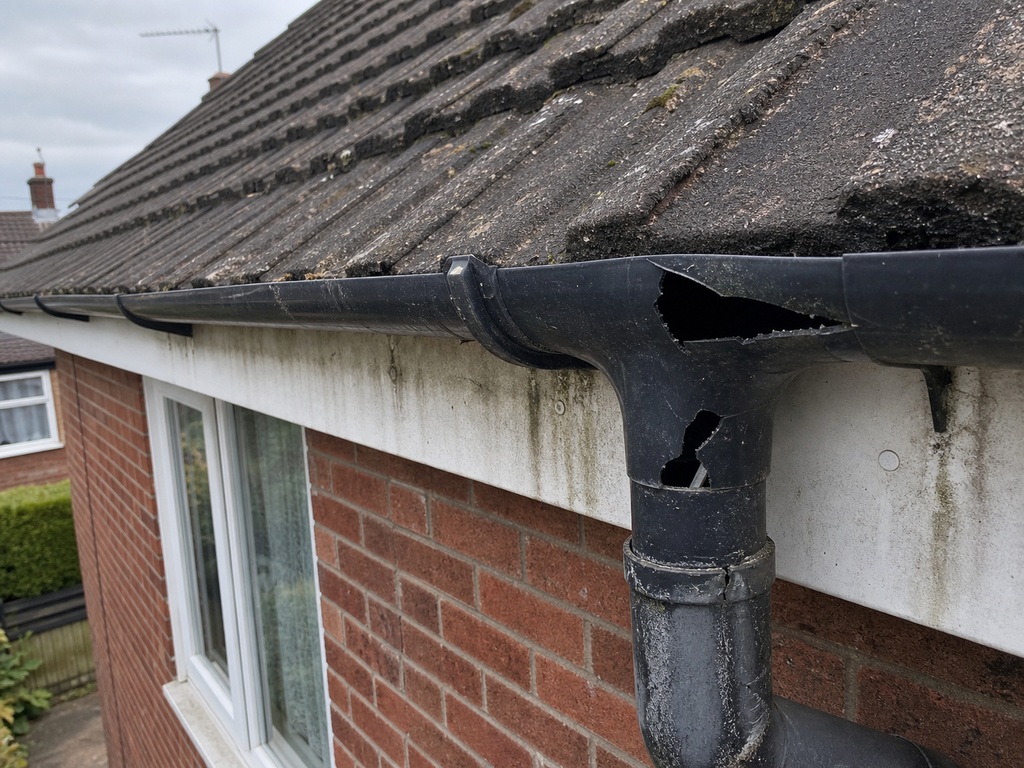
Roof issues that may support renegotiation include visible defects that could lead to water entry, scaffold-led repair costs, wider roof deterioration or replacement planning. Common examples include slipped slates, missing roof tiles, failed ridge mortar, chimney repointing, poor flaunching, defective lead flashing, sagging roof areas, damp roof timbers and flat roofs near the end of their serviceable life.
The key question is not simply whether a defect exists. It is whether the roof problem changes the cost, risk or confidence of the purchase before exchange. A small isolated repair may lead to a modest discussion, while evidence of wider roof failure or access-heavy repairs may justify a more serious conversation.
How to discuss the report with your solicitor
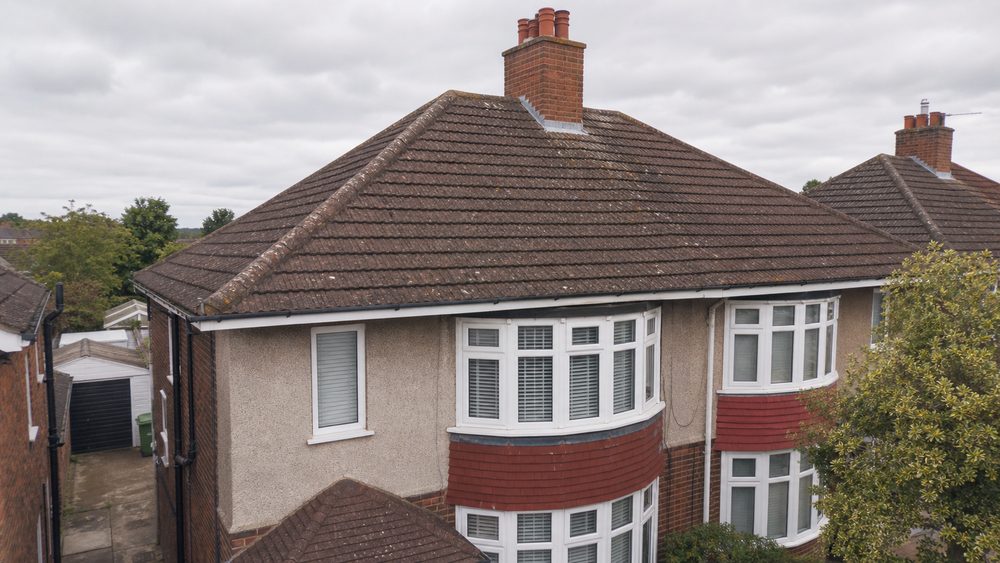
Send the roof report to your solicitor and ask how the findings should be raised. Your solicitor may use the report to ask enquiries, request evidence of previous repairs, clarify guarantees, discuss whether a retention is possible or advise whether any seller promise should be recorded before exchange.
Do not rely on an informal message from the seller if the roof issue could affect your budget. If repairs are promised, ask what will be repaired, who will do the work, whether invoices or photos will be provided and whether any guarantee is transferable. Your solicitor can advise how much weight to give those answers.
How to approach the estate agent
Keep the estate agent conversation factual. Explain that your survey raised roof concerns, you arranged a written roof report, and the report records visible defects or likely repair cost guidance. A calm summary is usually more effective than saying the roof is failing without evidence.
It can help to be clear about what you are asking for. You might ask the seller to consider a price reduction, contribute toward roof repairs, complete specific repairs before completion or allow further roof investigation. The right request depends on the report findings, your mortgage position, your timescale and your solicitor advice.
Repairs before completion vs money off
Repairs before completion can reduce immediate risk, but they need a clear scope, realistic timing and proof that the work has been completed properly. A rushed patch repair arranged by the seller may not give you the same control as arranging the work yourself after completion.
Money off the house price can be simpler where the roof problem is not immediately dangerous but does create a real repair budget. Some buyers prefer a price renegotiation because they can choose the contractor and repair specification later. Others prefer the seller to fix urgent leaks or missing coverings before completion. There is no single right answer, so the report should help you compare the options.
Why negotiation outcomes vary
Renegotiation outcomes vary because every purchase has a different seller, market position, mortgage lender, survey wording, roof condition and level of urgency. A seller may agree to reduce the price, offer a smaller allowance, arrange repairs, refuse the request or put the property back on the market.
A roof report cannot force a seller contribution and it does not guarantee money off a house. Its value is that it gives you clearer roof evidence before exchange, so you can make a more informed decision about whether to proceed, renegotiate, ask for repairs or walk away.
Example roof negotiation scenarios
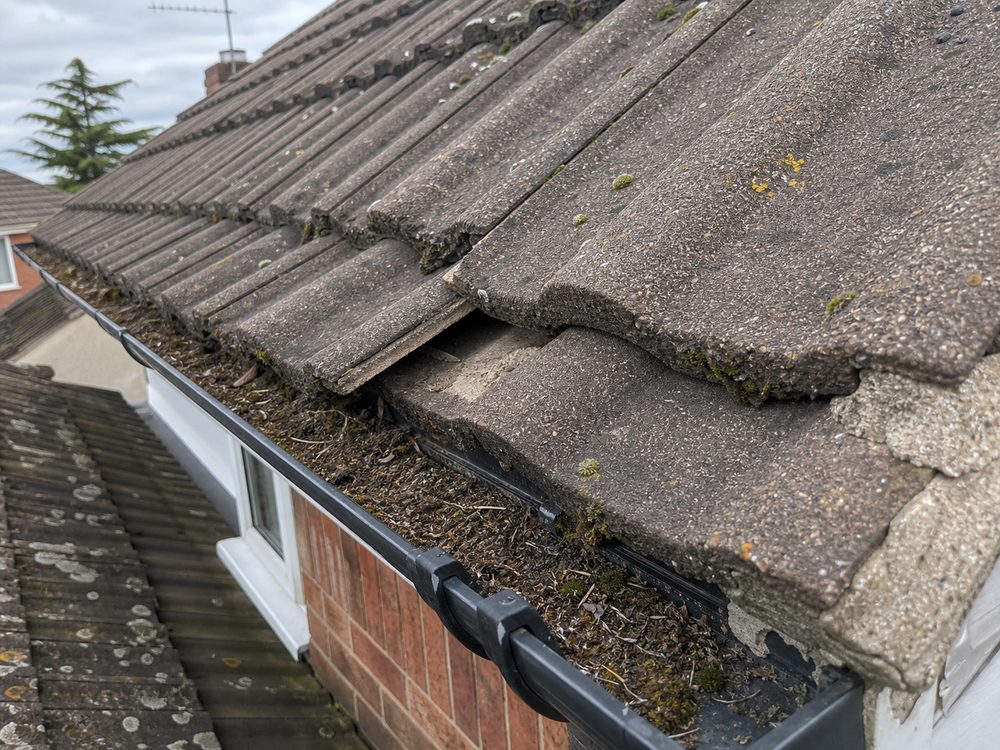
If the report finds one slipped slate and a blocked gutter, the issue may be treated as routine maintenance and the negotiation may be limited. If it records defective lead flashing around a chimney, failed ridge mortar and difficult scaffold access, the likely repair budget may be more relevant to the agreed price.
Where a survey mentions sagging, damp roof timbers or a roof approaching the end of its economic life, further investigation may be needed before any sensible negotiation figure can be discussed. In those cases, the most useful outcome may be clarity: knowing whether the risk is acceptable before you exchange contracts.
When to Request a Roof Report
Request a roof report when survey wording could affect your budget, mortgage confidence, insurance questions or willingness to proceed. This is especially useful for older houses, slate roofs, tiled roofs, chimneys, flat roofs, sagging roof areas, damp roof timbers or where a surveyor recommends a roofing contractor.
FAQs
Yes. A pre-purchase roof report is designed for buyers who need written roof advice before exchange of contracts. Access still needs to be agreed by the seller, estate agent or managing agent.
No. Roof Reports provides visual, non-invasive roof condition reports from experienced roofing contractors where available. It is not a RICS survey, structural survey, valuation, guarantee or warranty.
Many buyers share the report with their solicitor, mortgage adviser, seller or estate agent where appropriate. Your solicitor can advise how it should be used in your purchase.
A written report may help support renegotiation by recording visible defects and estimated repair guidance. Outcomes vary and a report does not guarantee a price reduction, seller contribution, mortgage approval or purchase outcome.
More Roof Survey Advice
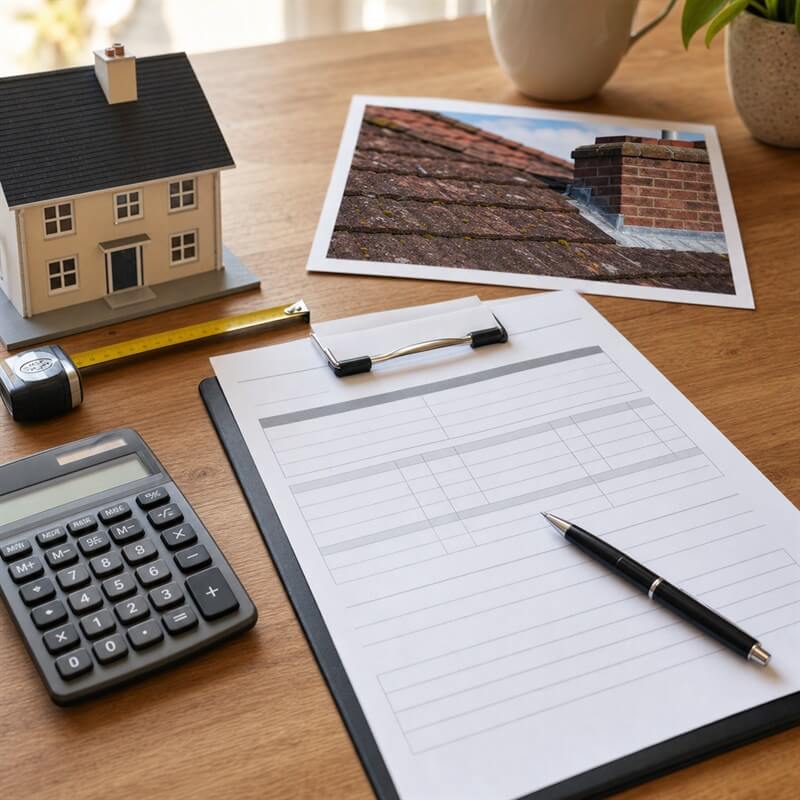
How Much Do Roof Repairs Cost After a House Survey?
A buyer-focused guide to understanding roof repair cost ranges after a survey.
Read guide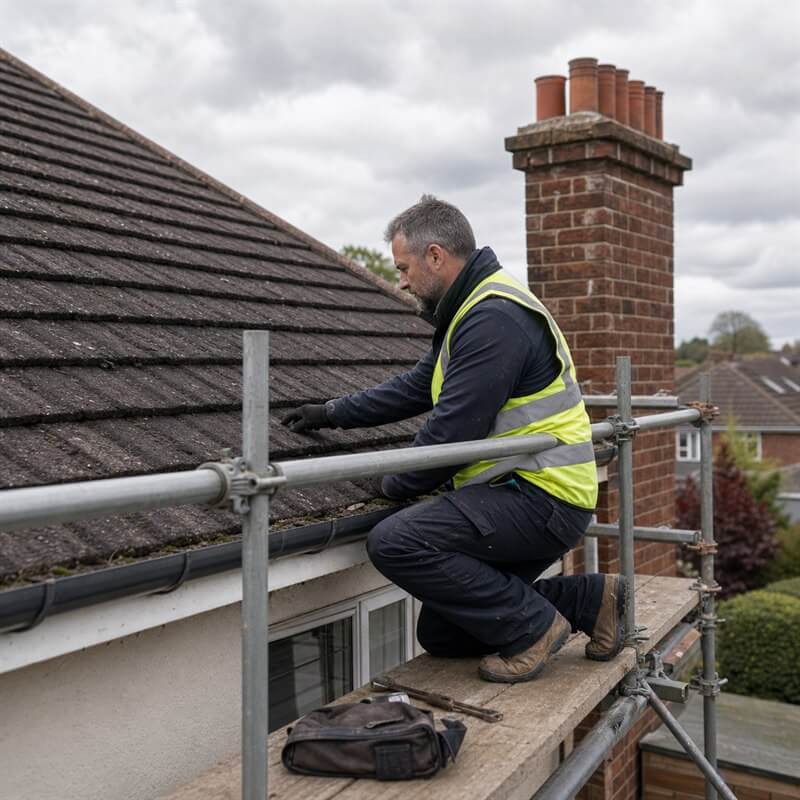
Should the Seller Fix the Roof Before Completion?
Options to discuss when roof defects are found before completion.
Read guide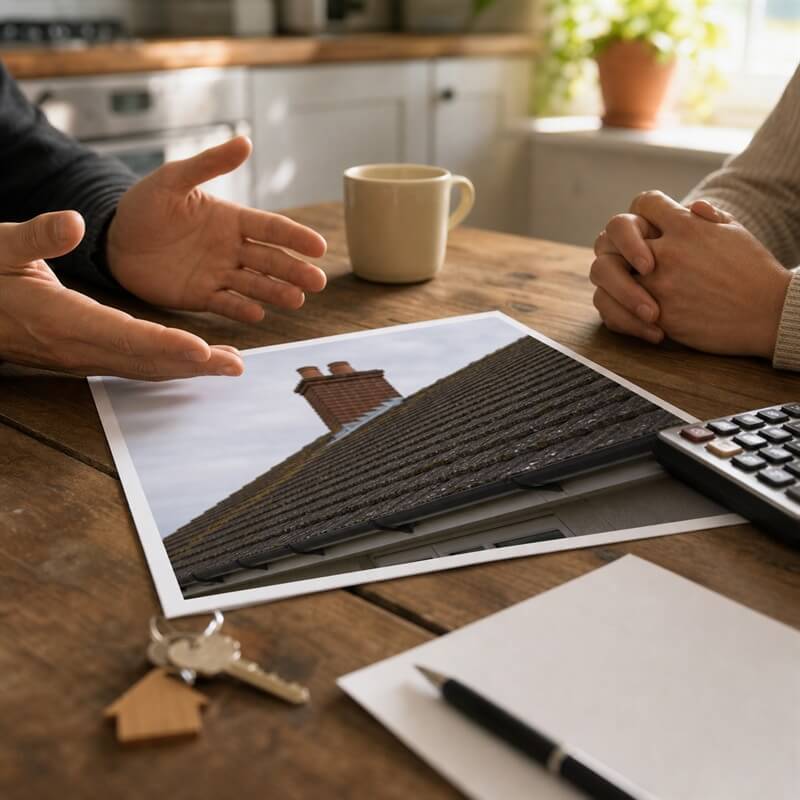
Can a Roof Report Help You Negotiate Money Off a House?
What a roof report can and cannot do during house purchase negotiations.
Read guide